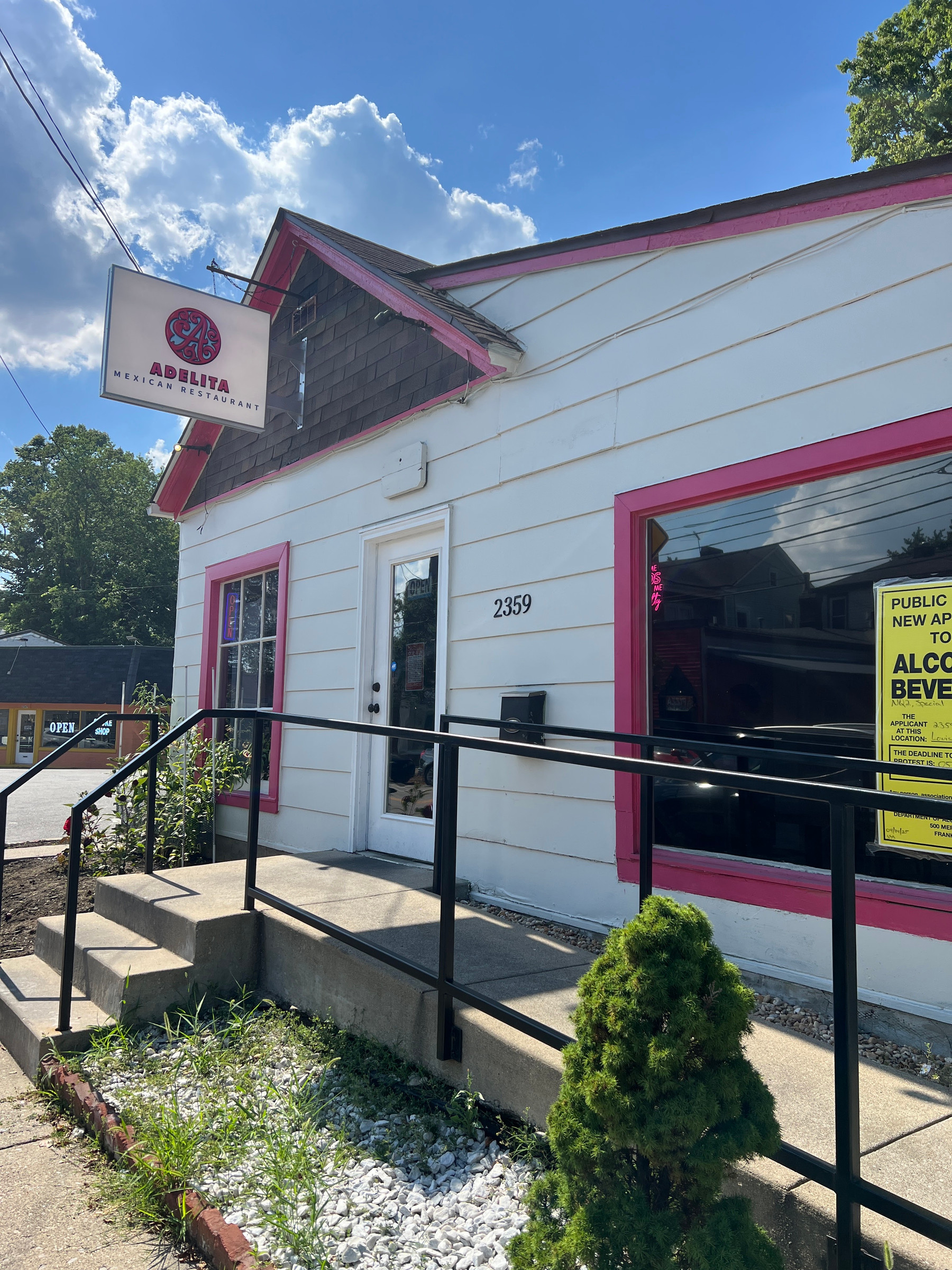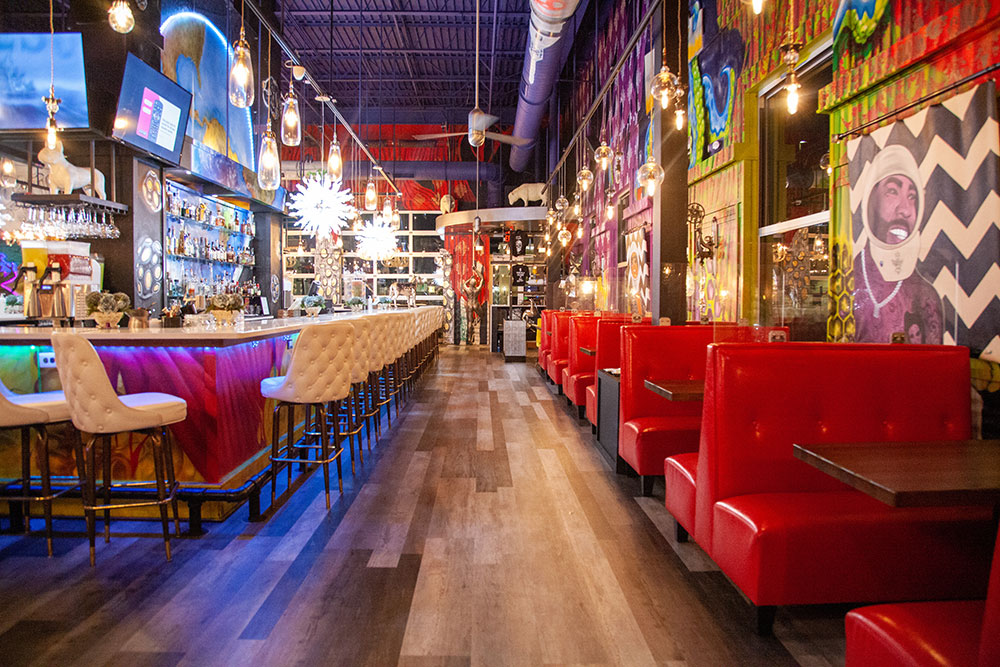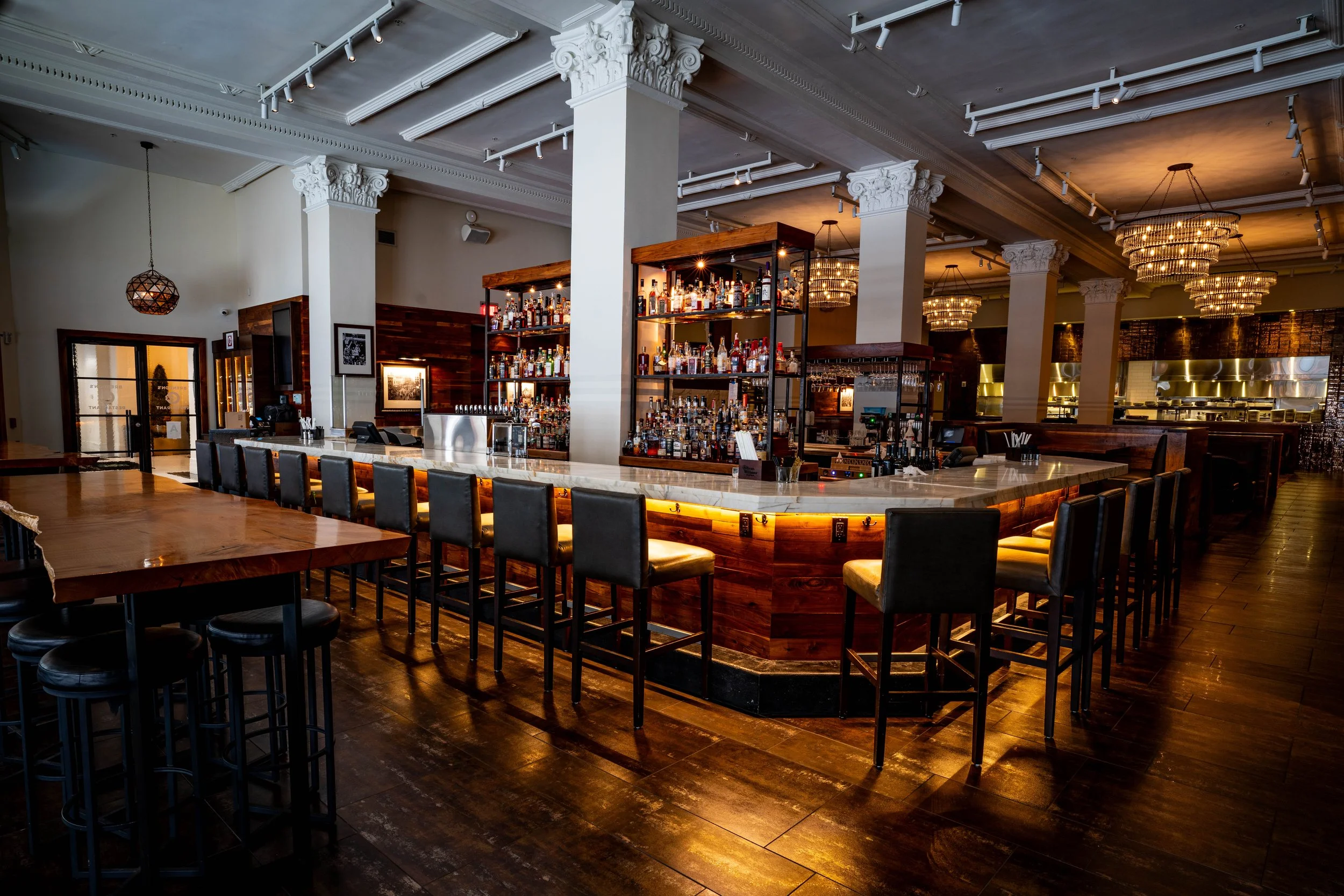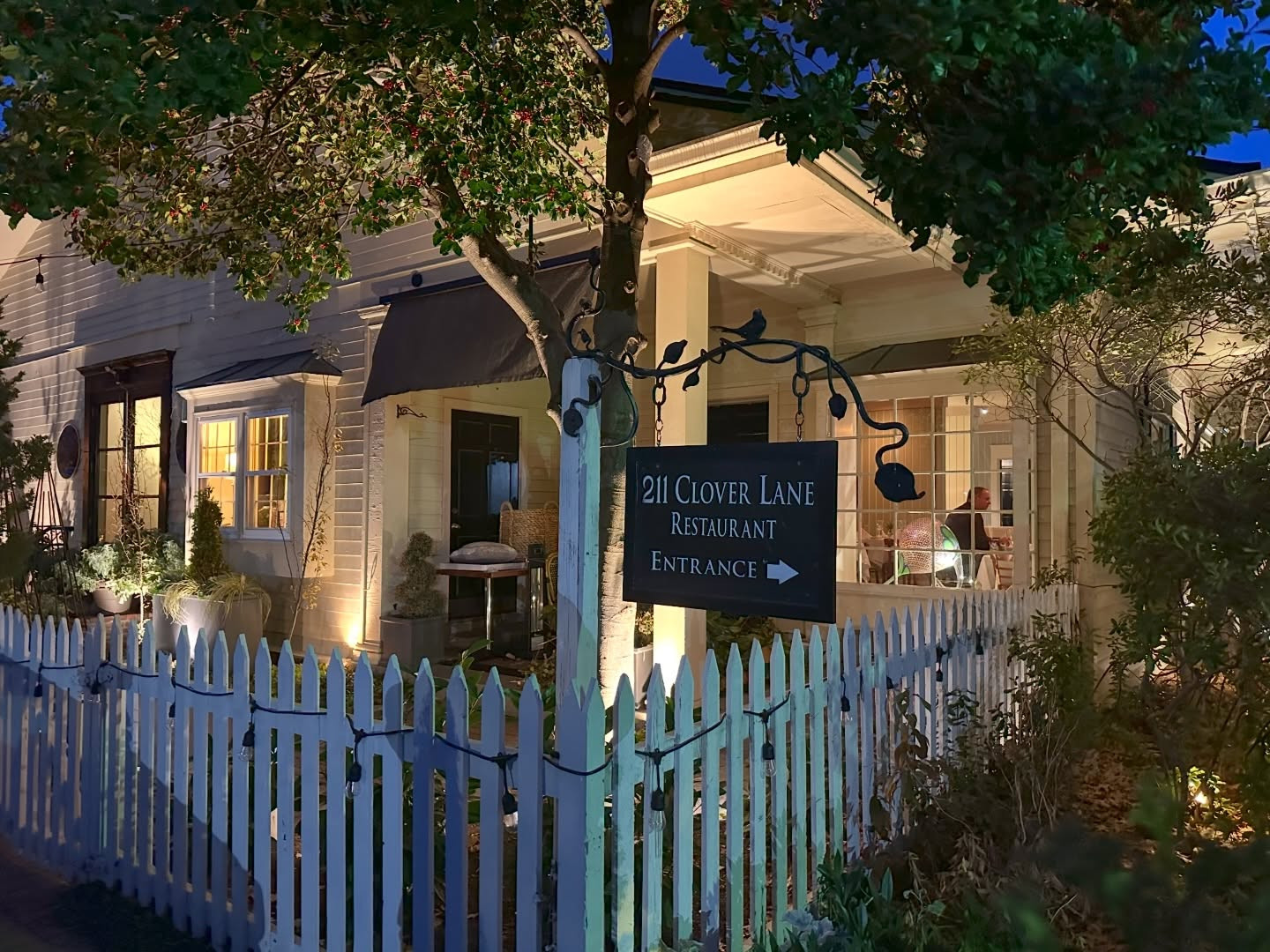
211 Clover Lane
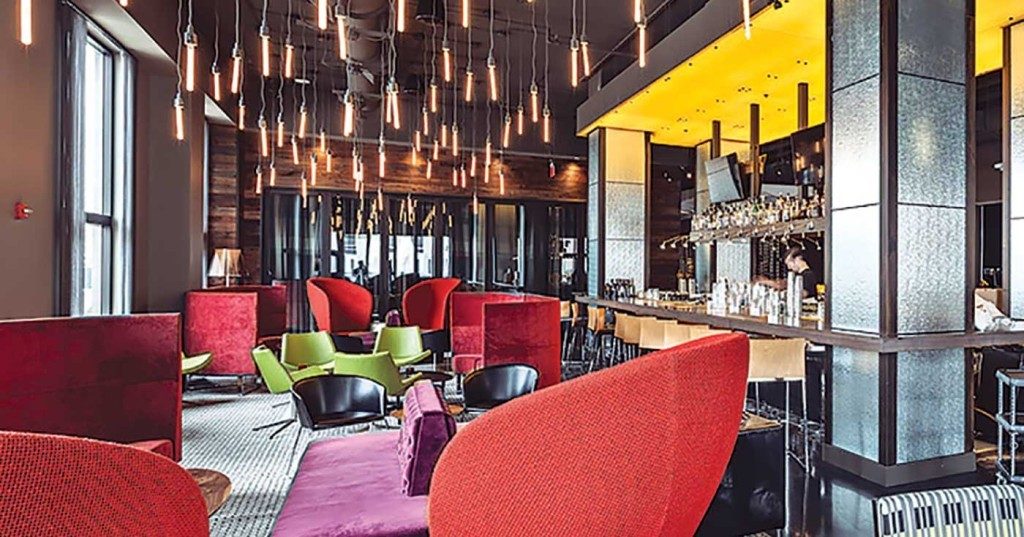
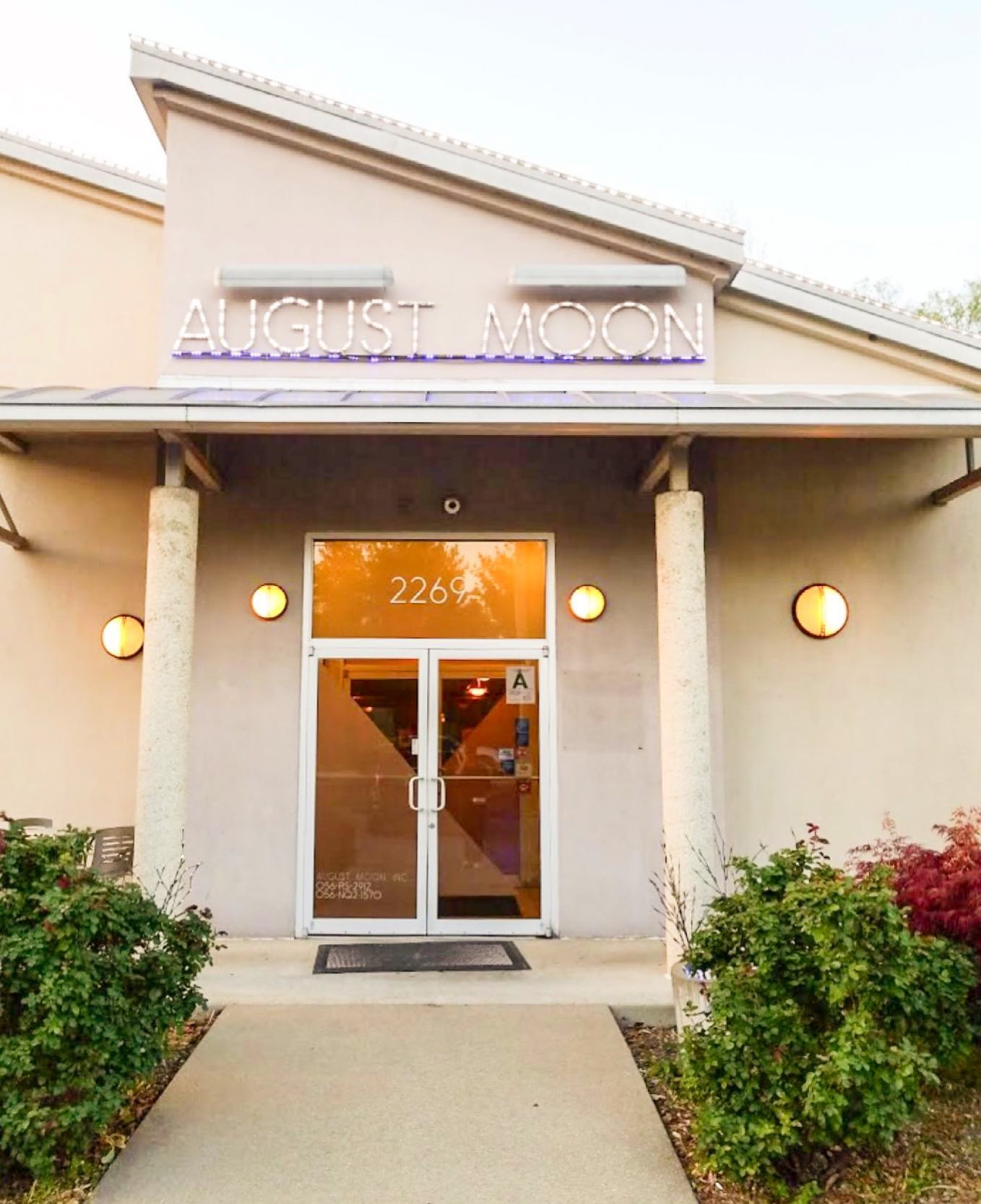
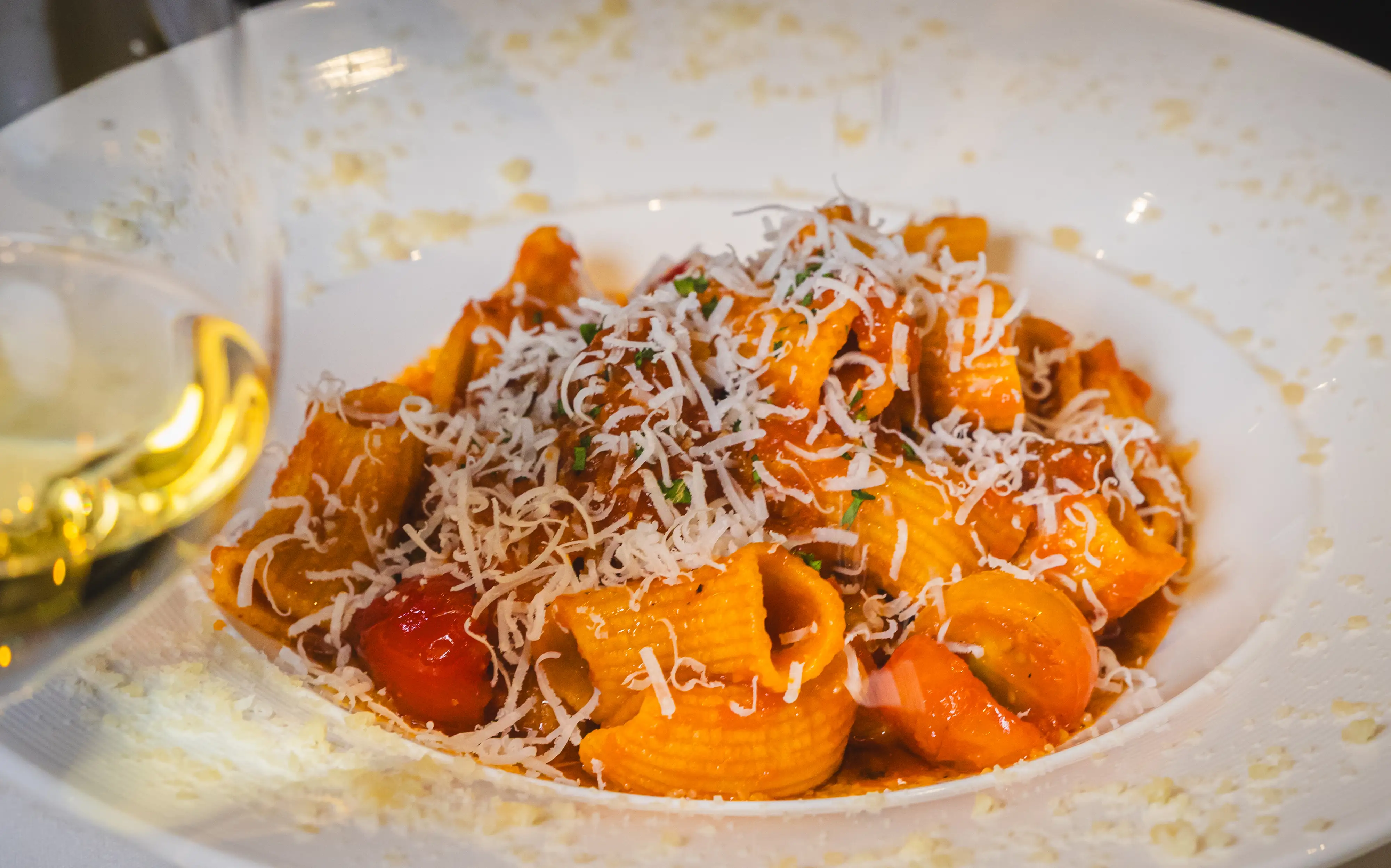
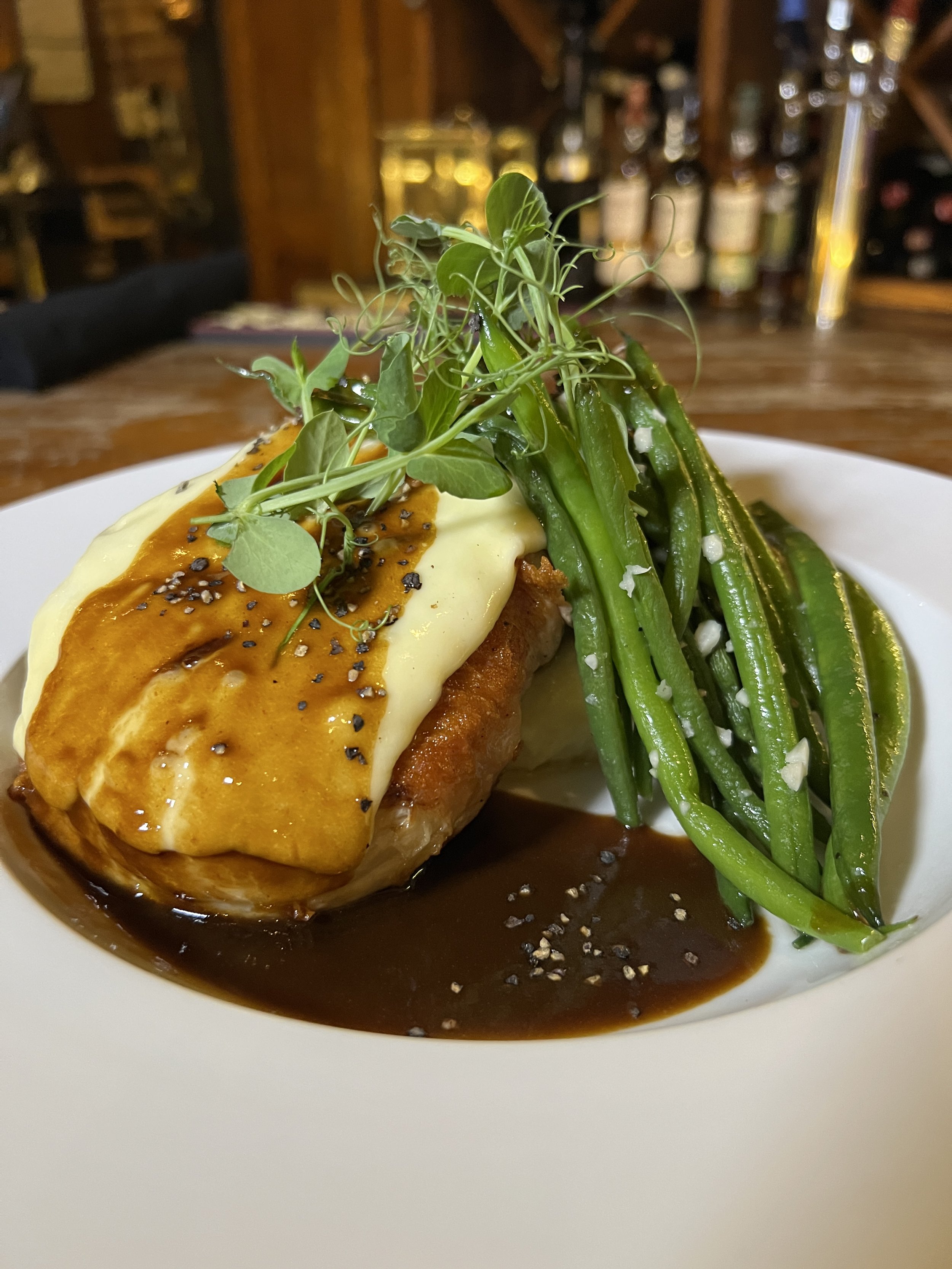
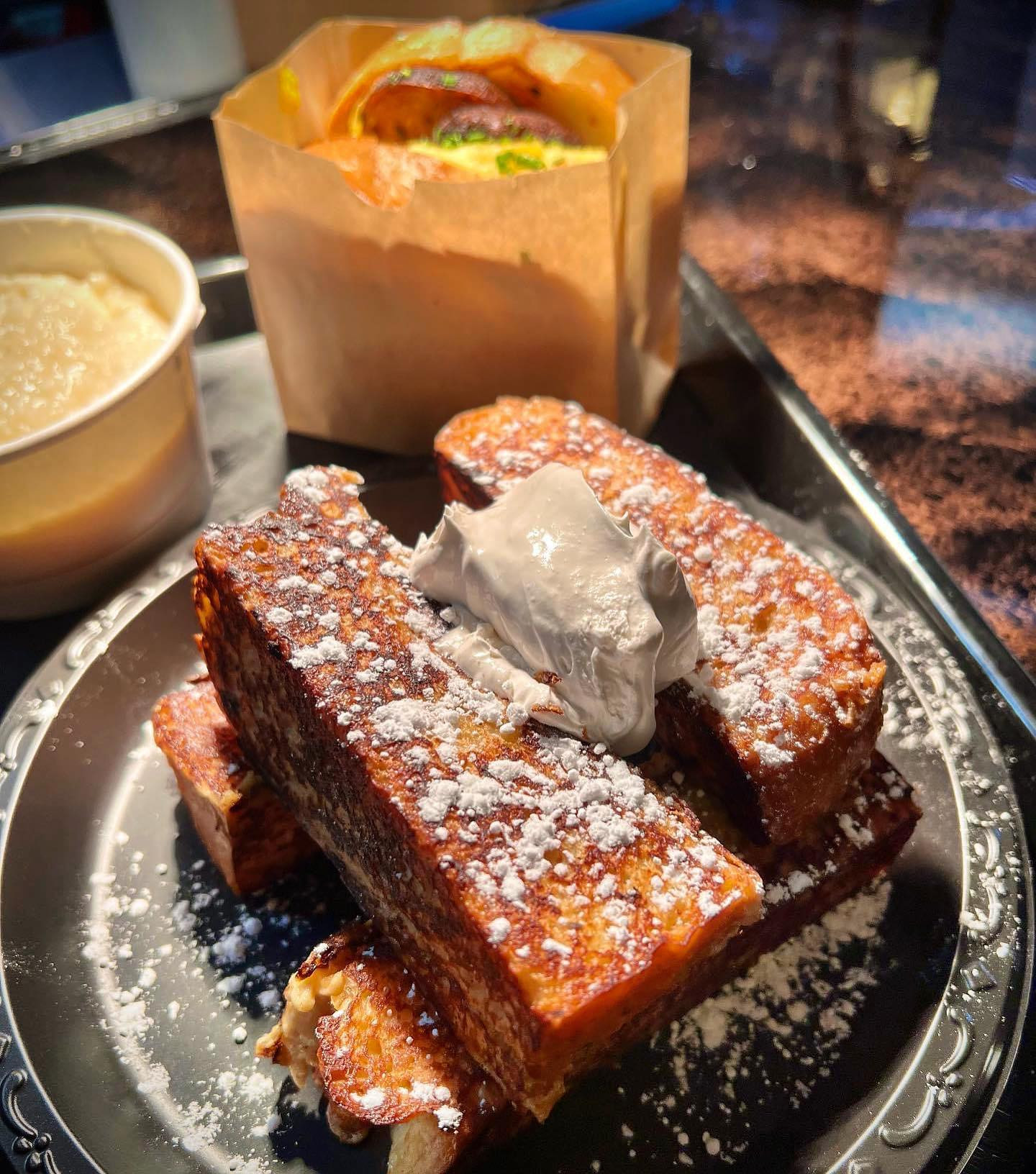
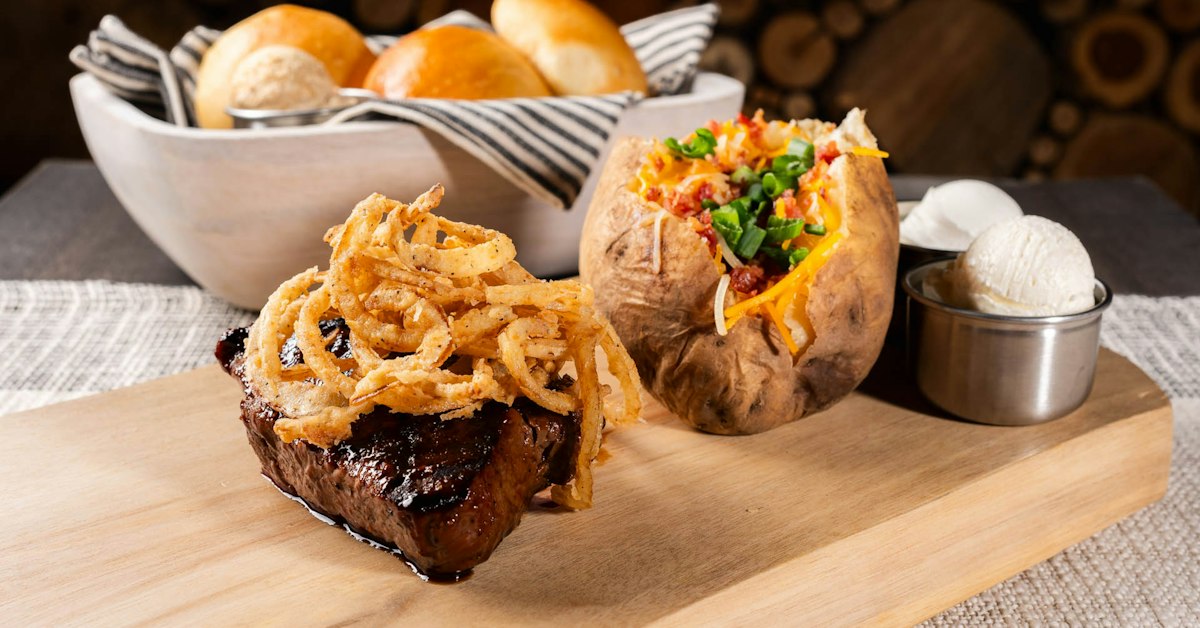
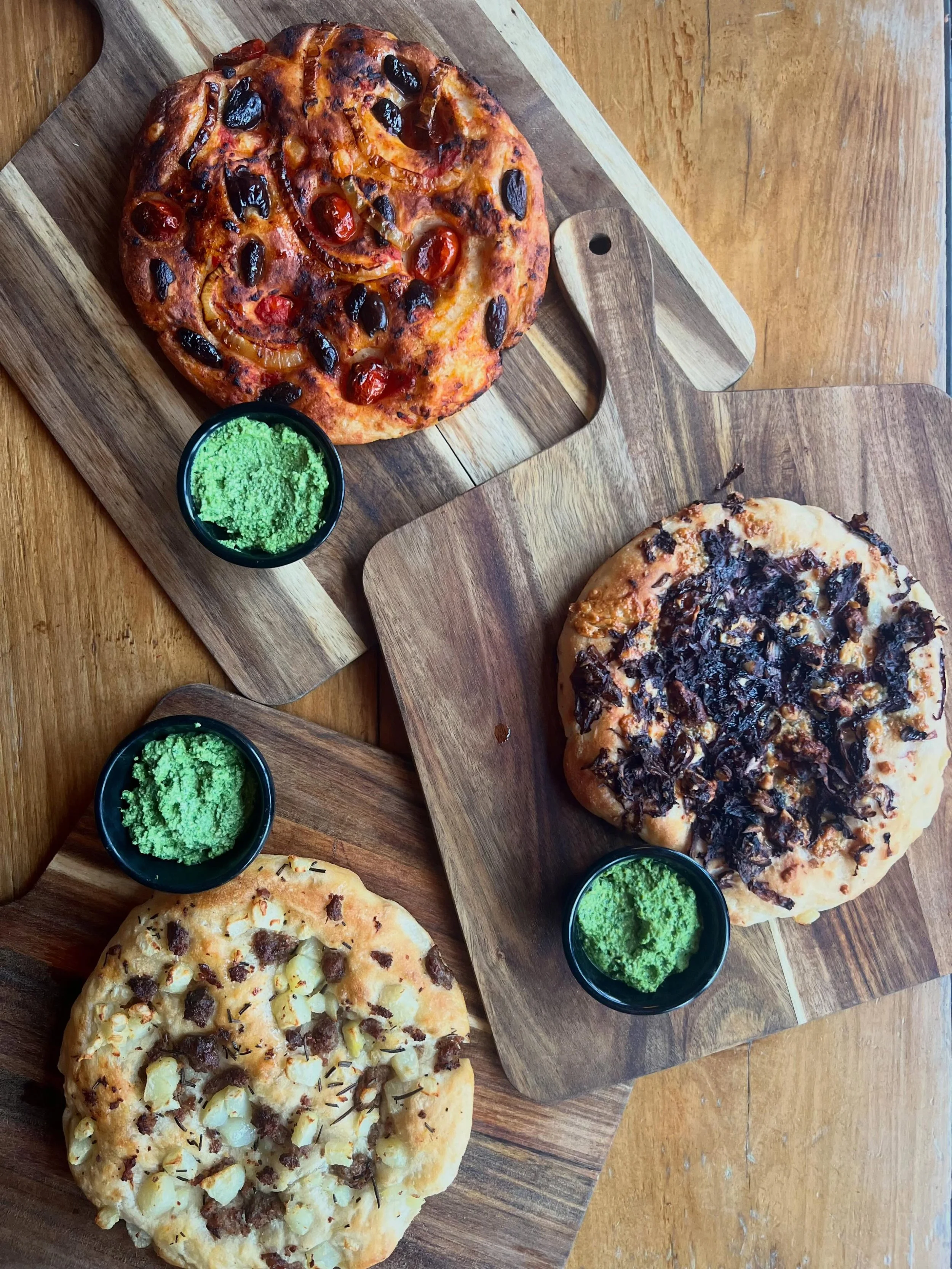
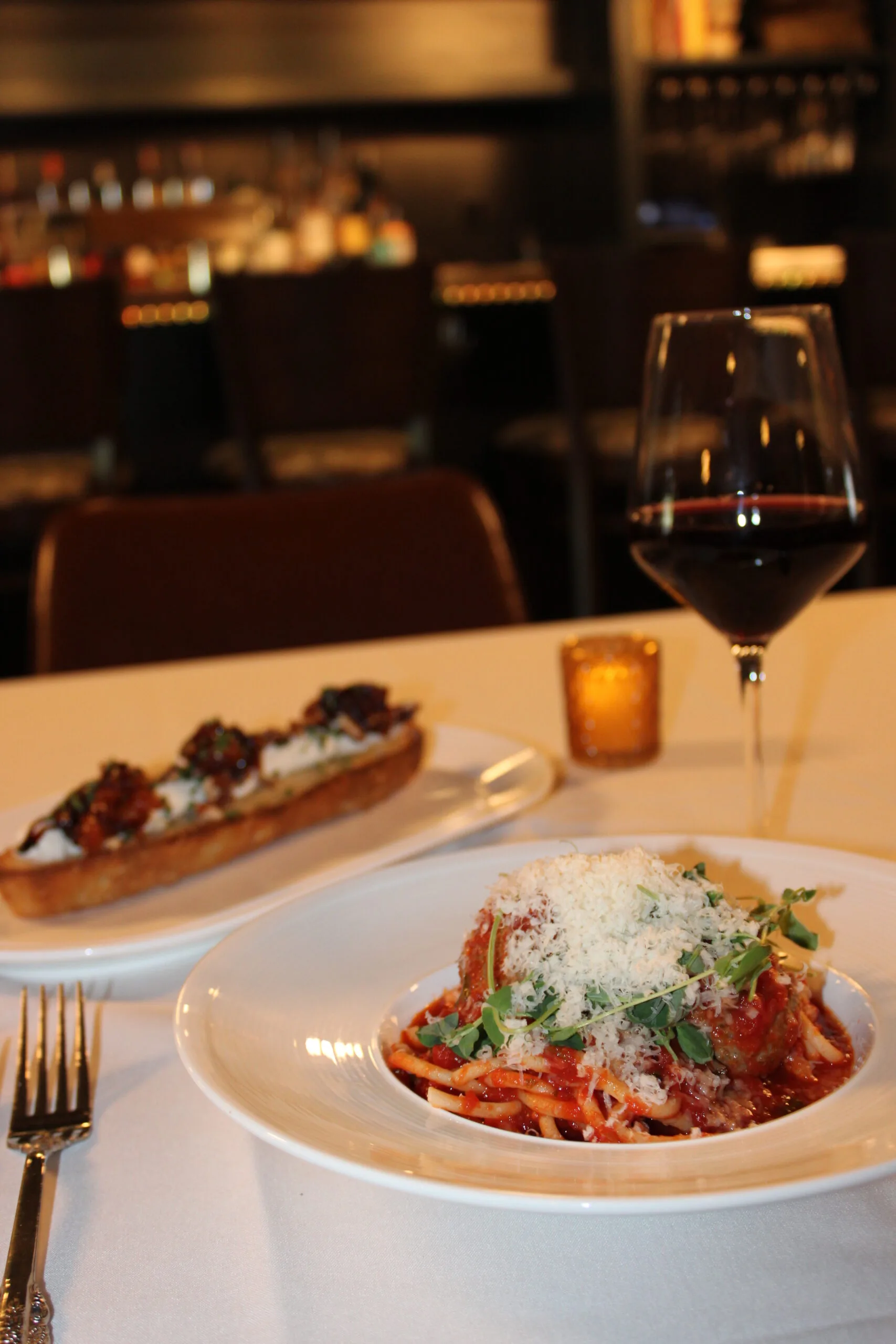
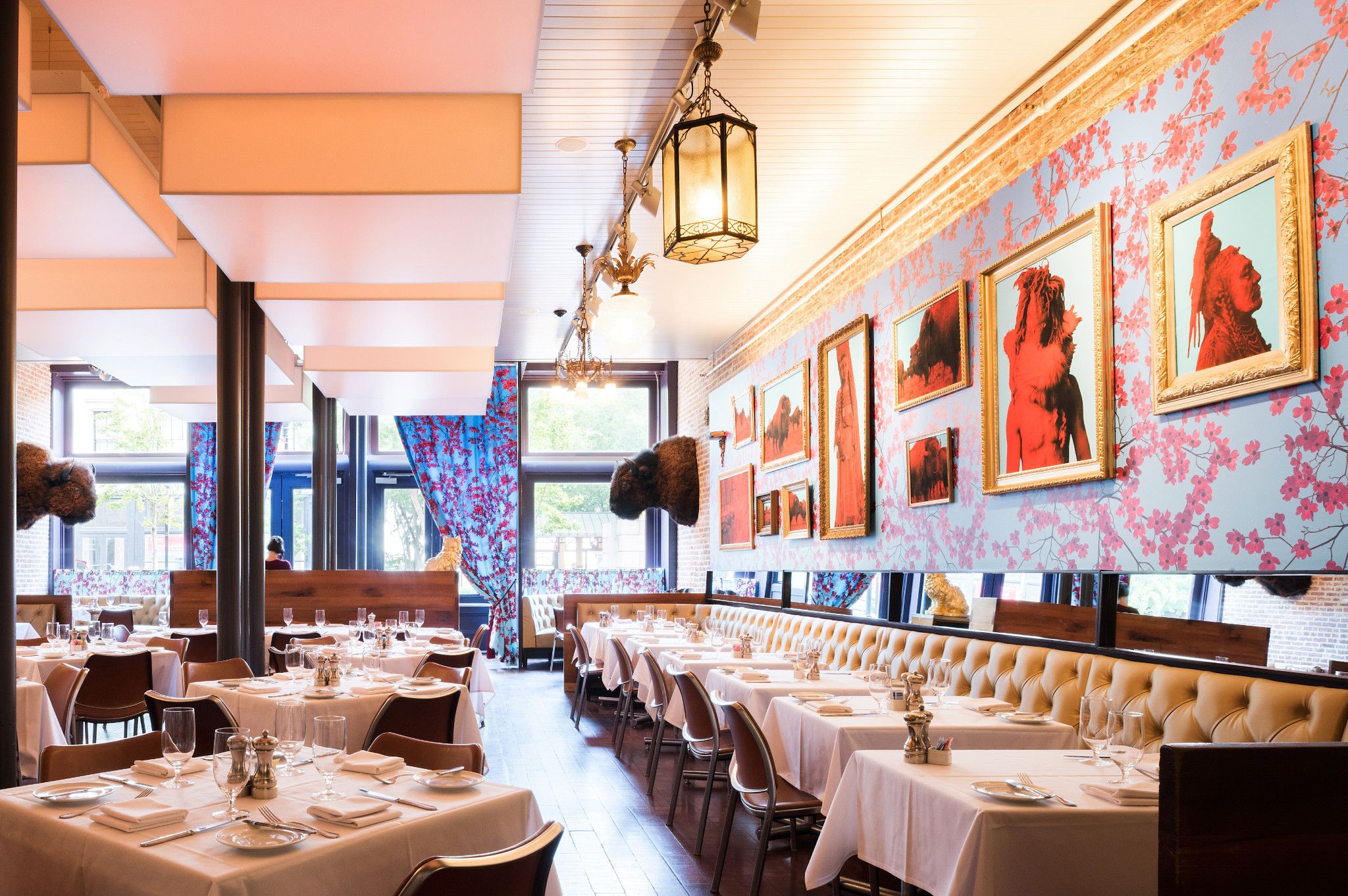
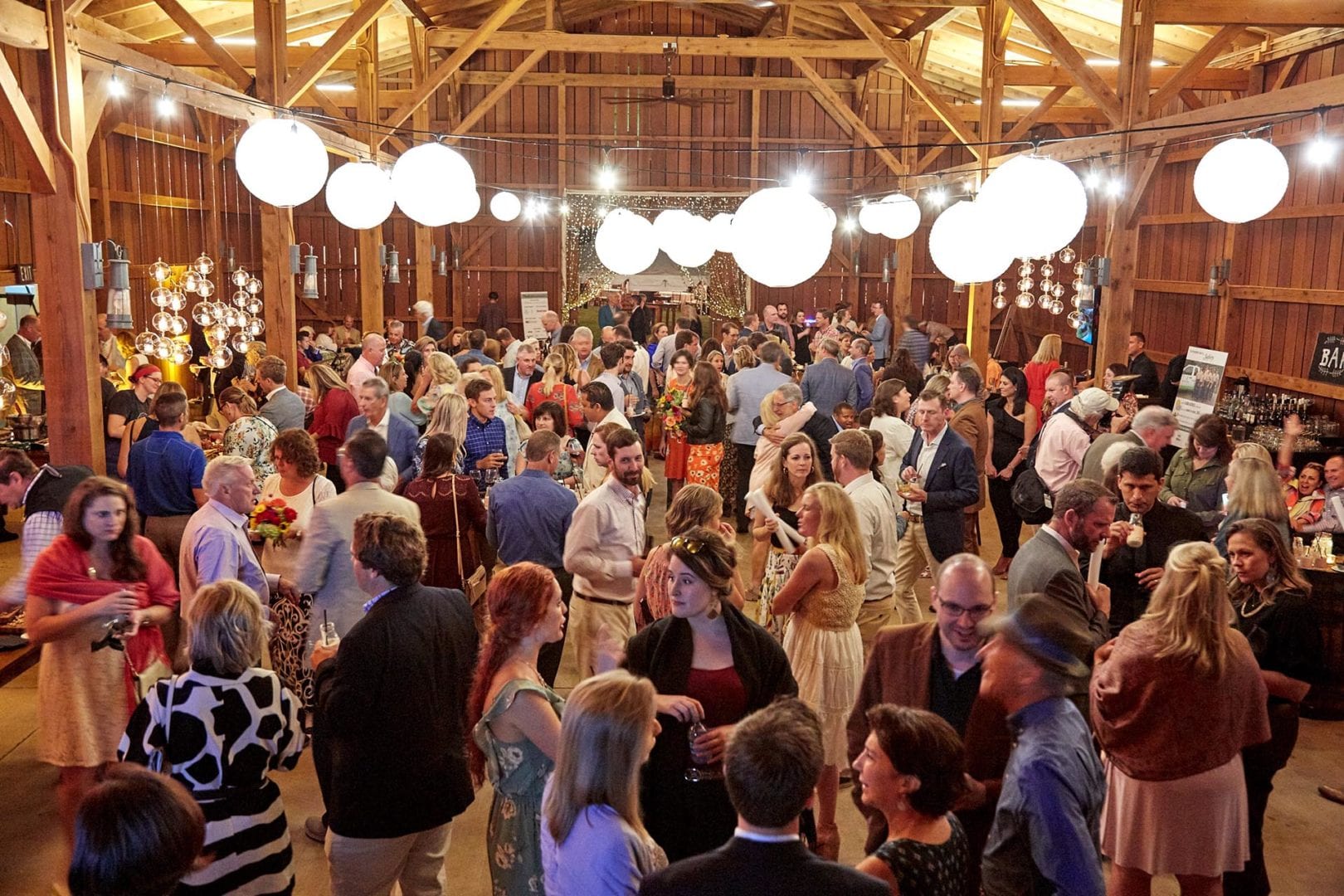
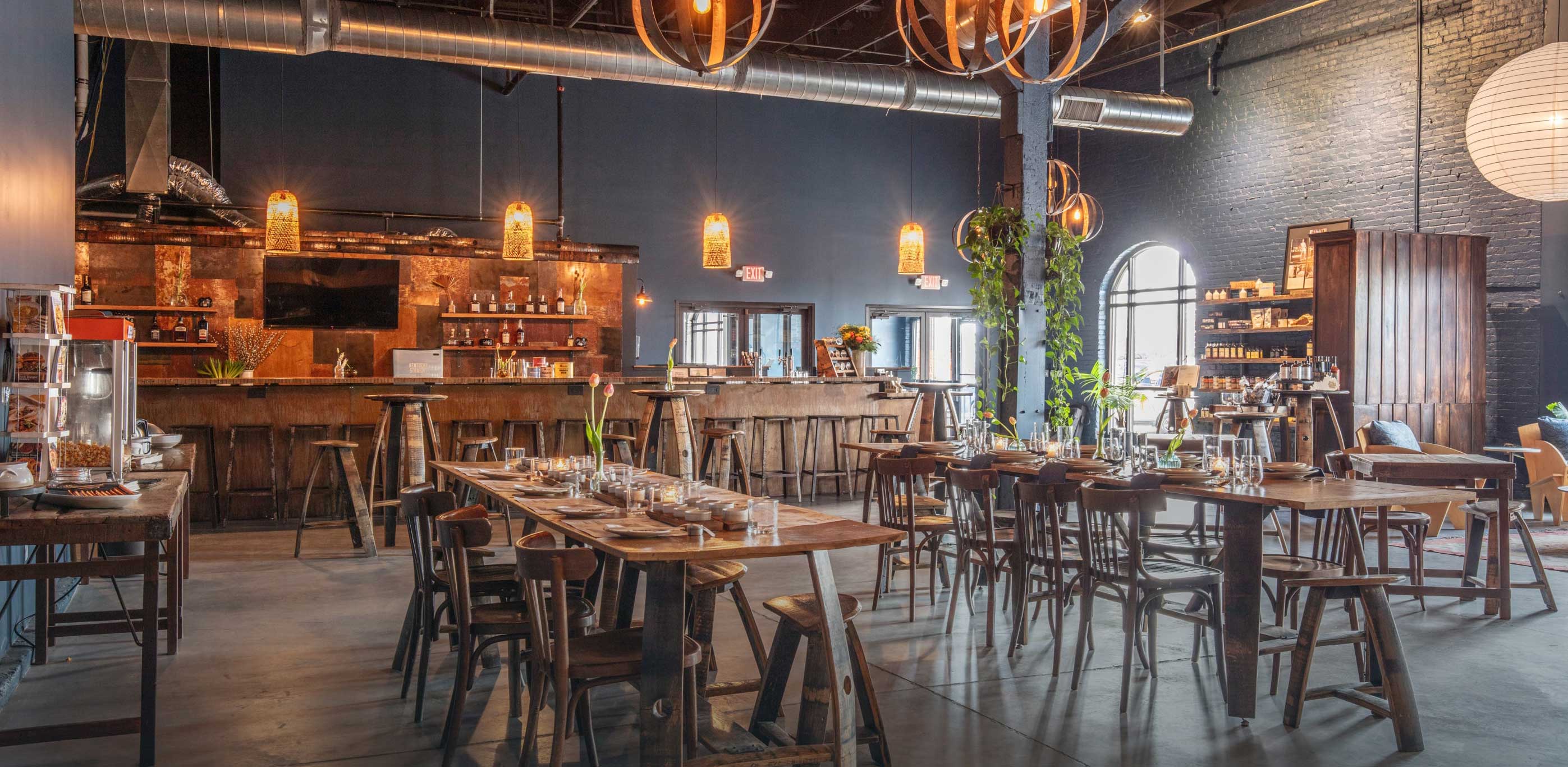
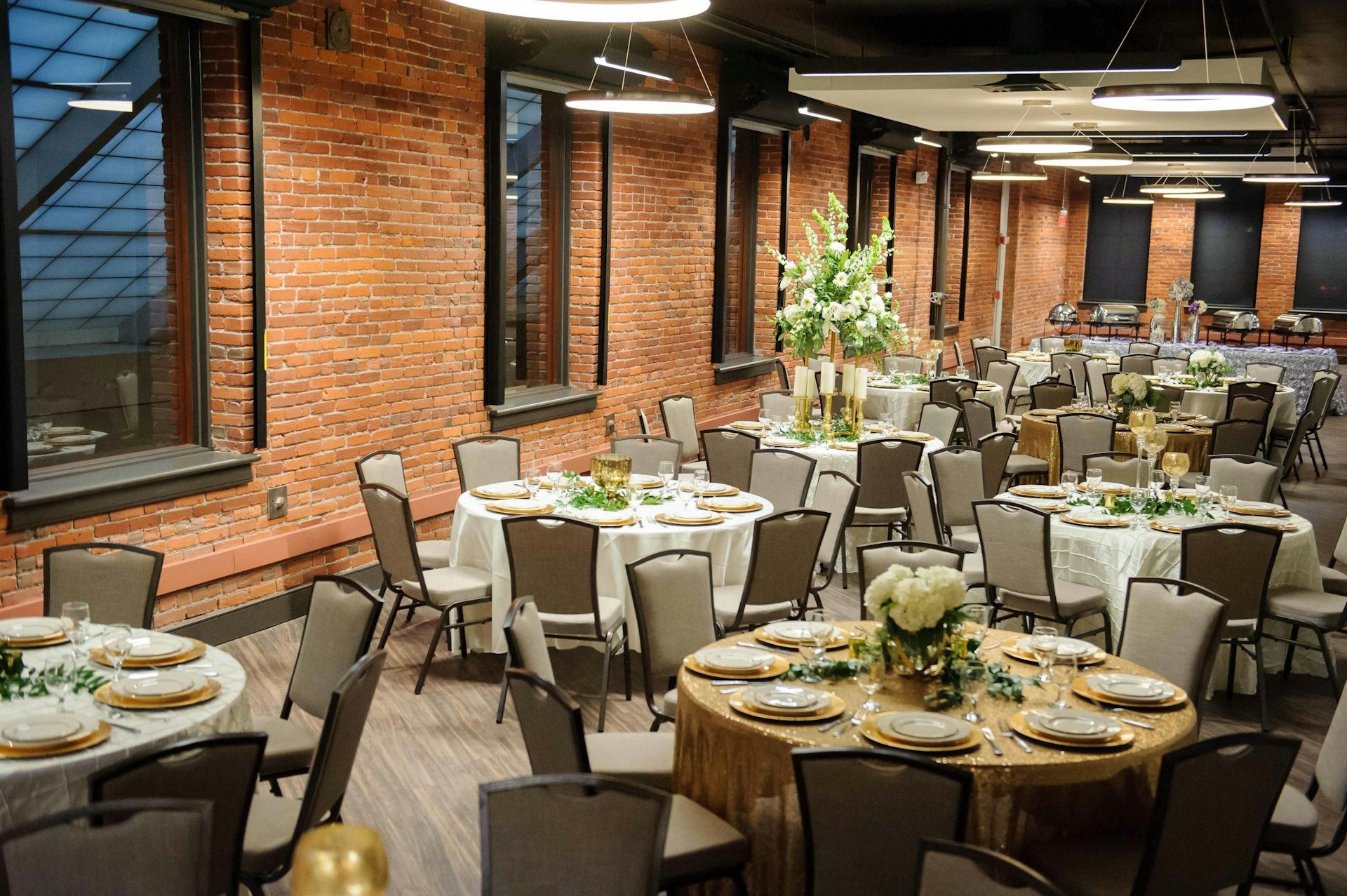
A St. Matthews fine-dining restaurant on Clover Lane serving brunch, lunch and dinner.
Fine Dining
Date Night
Brunch
st-matthews
211-clover-lane

Select a neighborhood name for a quick introduction, then explore its full guide. Thin lines connect labels to their map locations.
We’re still adding local favorites here. Explore the neighborhood guides below, or choose another area.
Louisville is a patchwork of places with their own rhythms, roots, and ways of welcoming you. Look closer, and a familiar street becomes a story worth knowing.
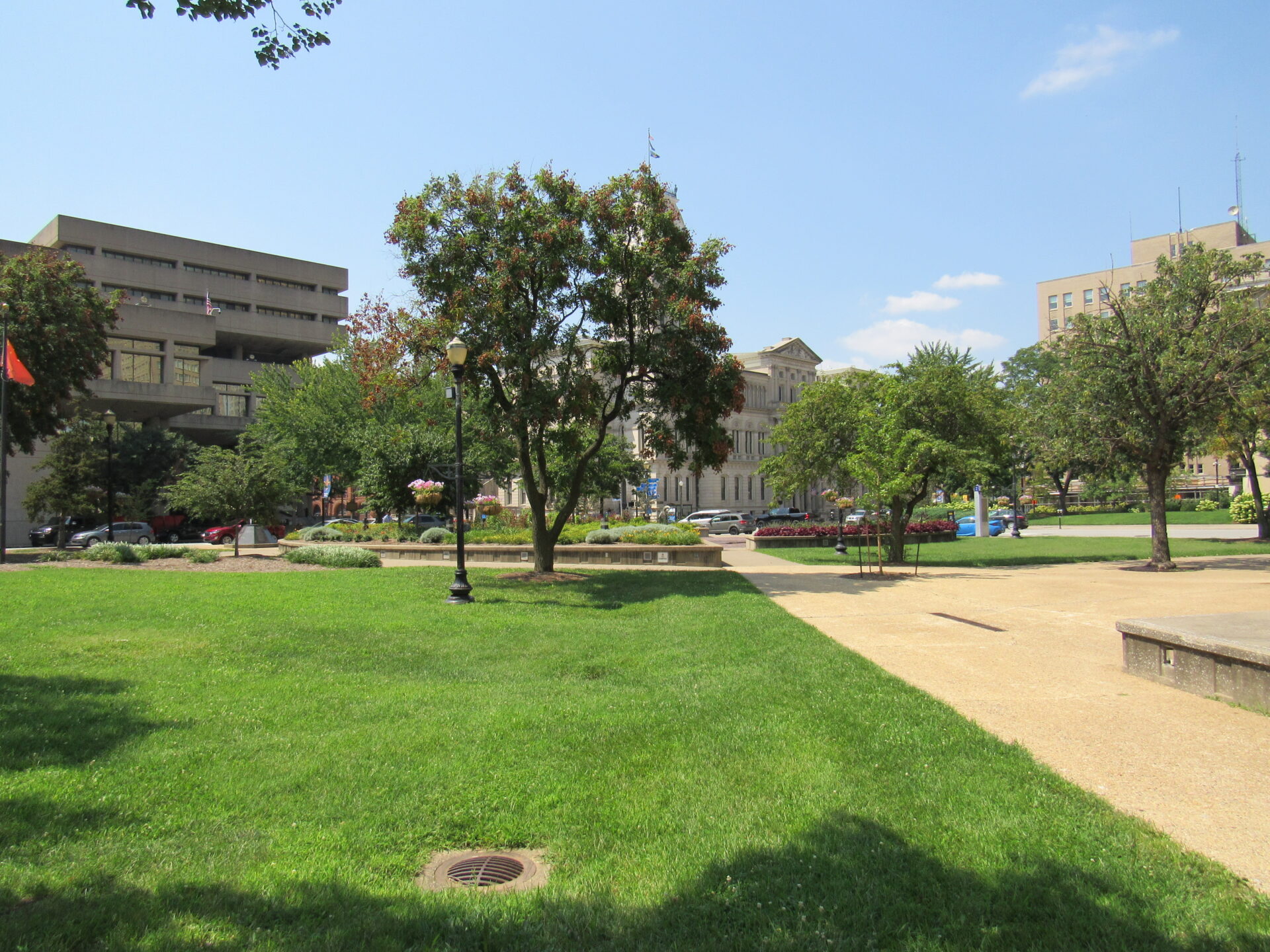
Along Main Street, cast-iron storefronts and historic commercial buildings recall Louisville’s trading past. Museum Row gives those old blocks new reasons to linger.
One of Louisville’s early industrial neighborhoods, Butchertown grew around meatpacking and working-class homes. Its mix of modest houses and industrial buildings still tells that story.
NuLu—short for New Louisville—brings a contemporary creative identity to the East Market district, where older buildings frame galleries, shops, and neighborhood gathering places.
German immigrants shaped Germantown and neighboring Schnitzelburg in the nineteenth century. Shotgun houses and neighborhood taverns remain visible reminders of those roots.
The Highlands grew from farmland around the Bardstown Road corridor. Victorian homes, shotgun houses, and independent storefronts give its many smaller neighborhoods their layered character.
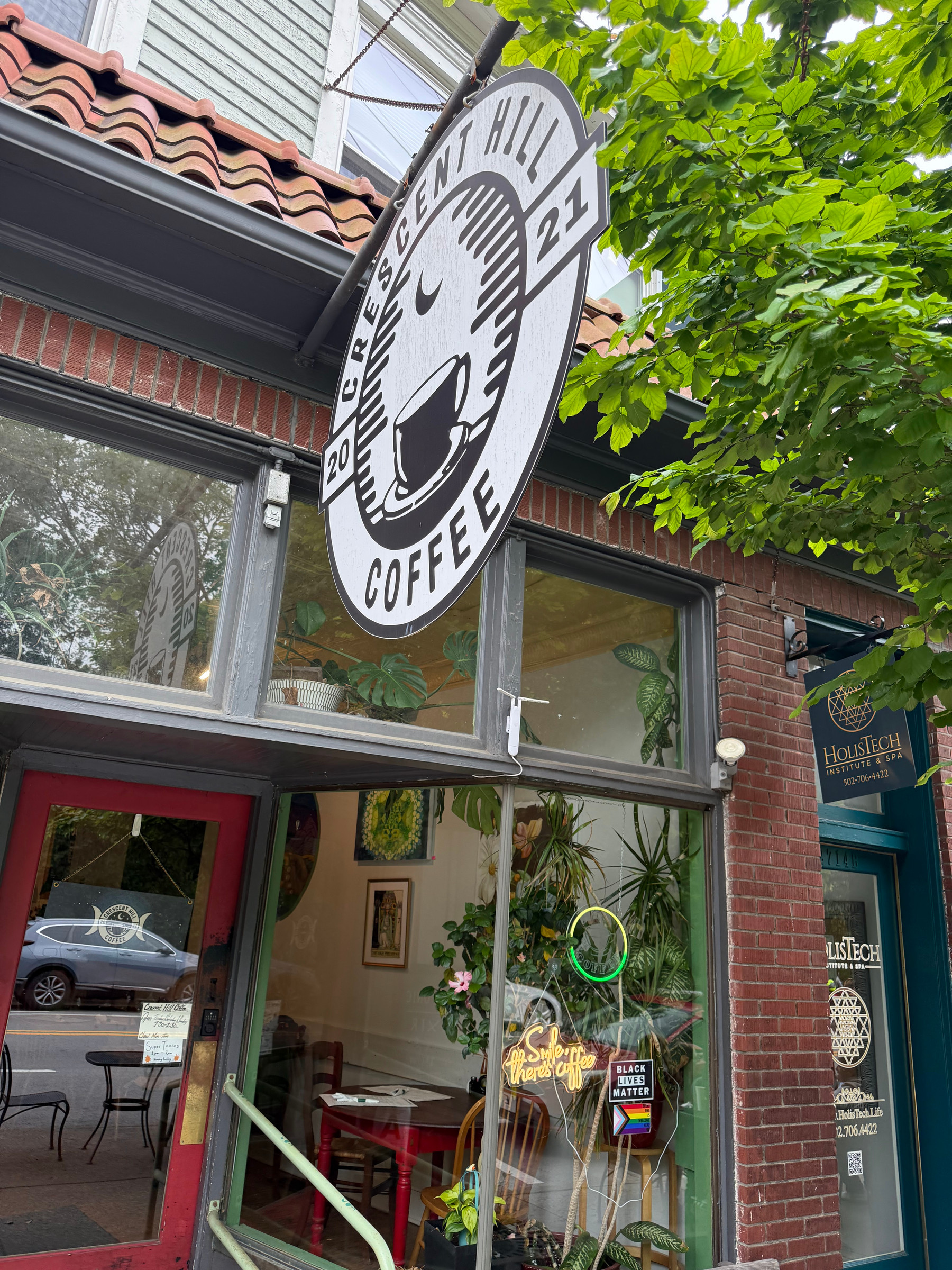
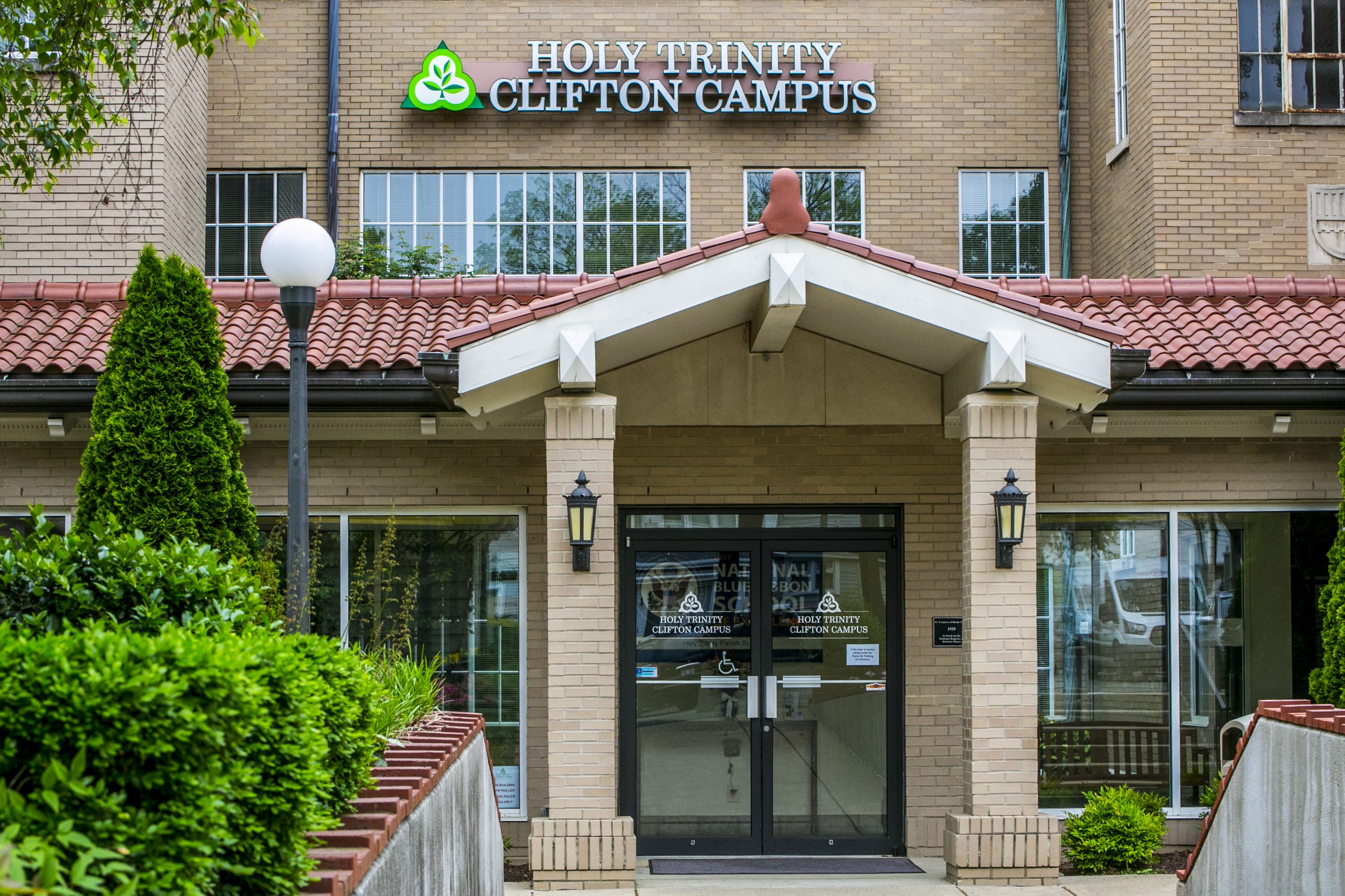
Clifton and Crescent Hill tell a story of Louisville growing eastward. Their historic homes and Frankfort Avenue storefronts make the past part of an everyday walk.
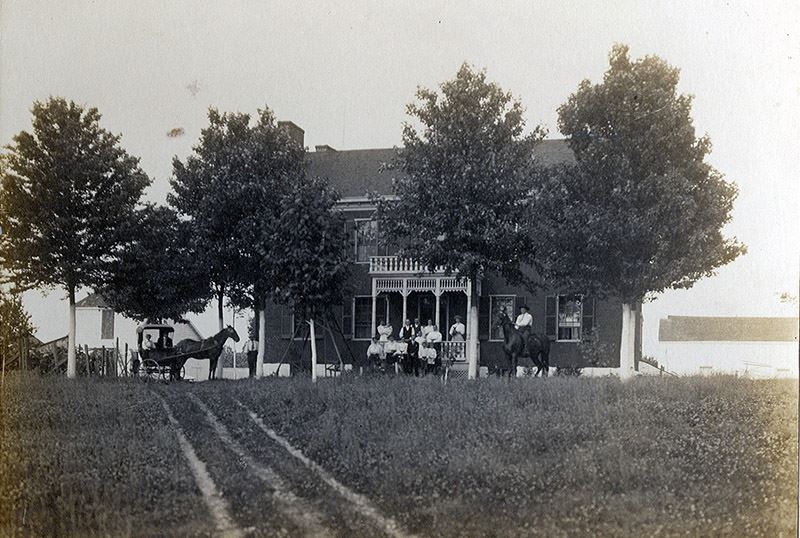
Before becoming a shopping destination, St. Matthews was an agricultural community. Its history includes farms, rail connections, and incorporation as a city in 1950.
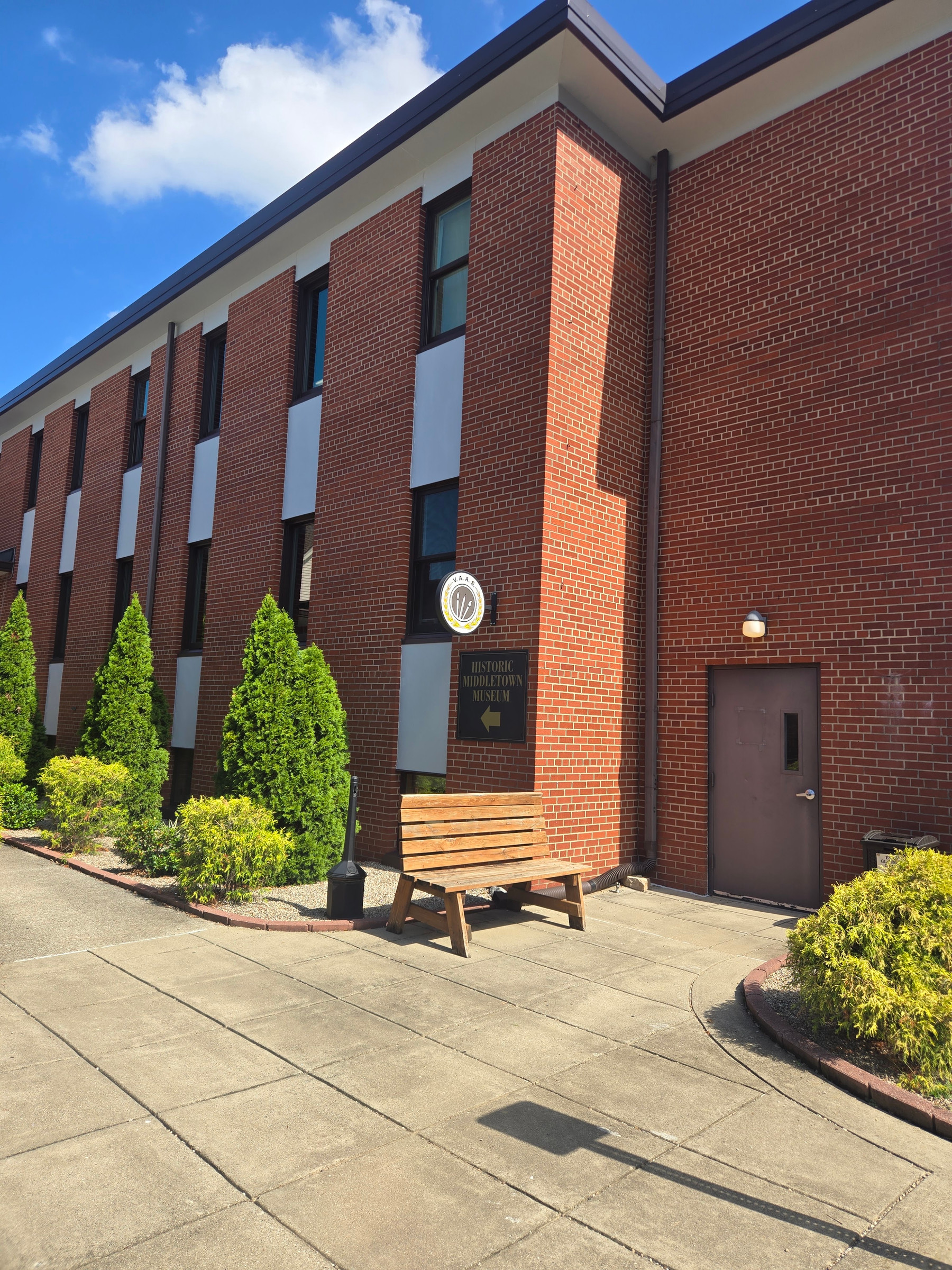
Established in 1797, Middletown keeps an older town center within Louisville’s growing eastern edge—a reminder that these communities had identities long before the suburbs arrived.
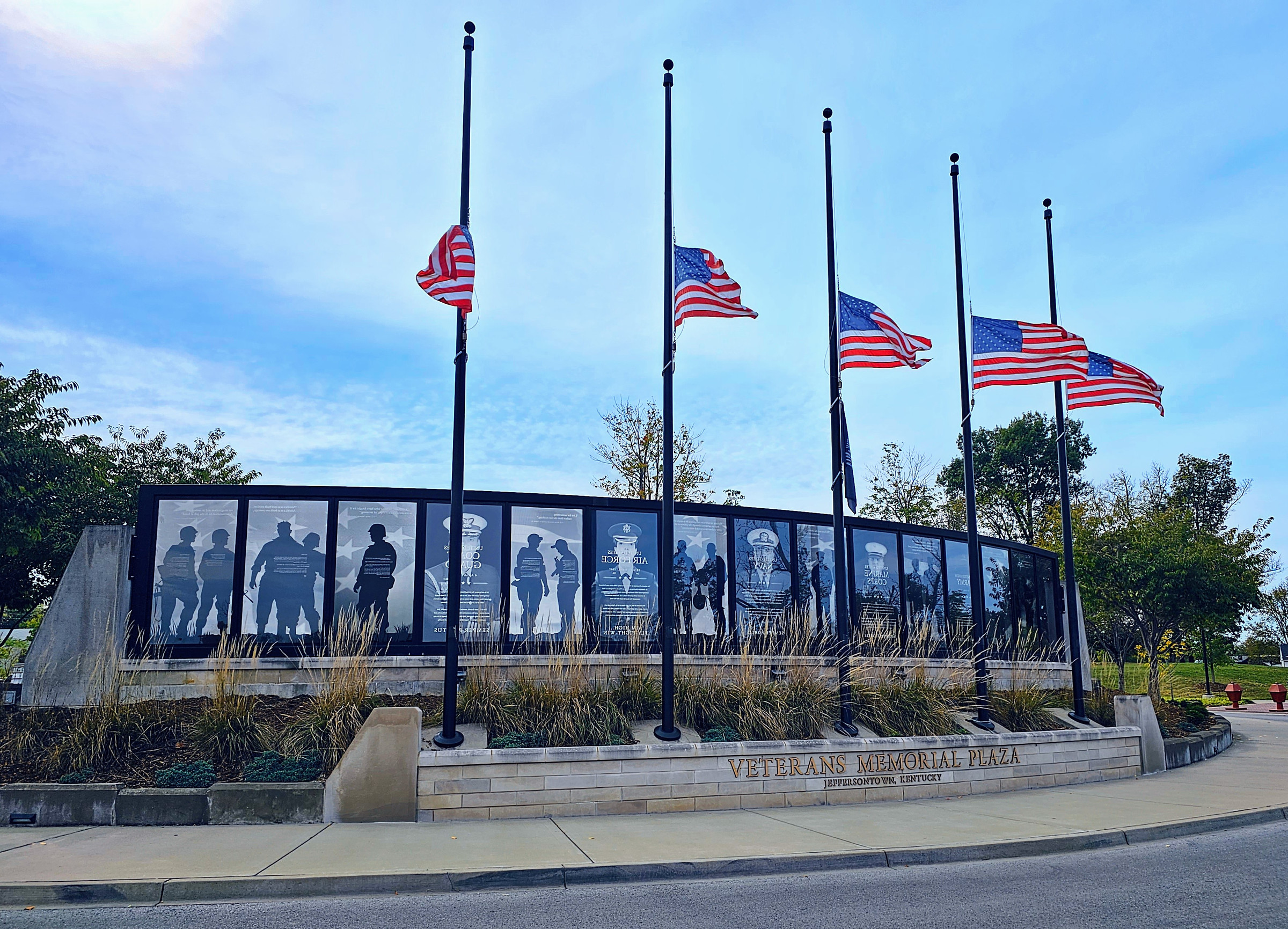
Incorporated in 1797, Jeffersontown developed as a trading center known to many early residents as Brunerstown. Its town square anchors a distinct local identity.
Norton Commons adds a newer chapter: a planned community built around traditional architecture, walkable streets, and shared public spaces.